
Hormones Therapy
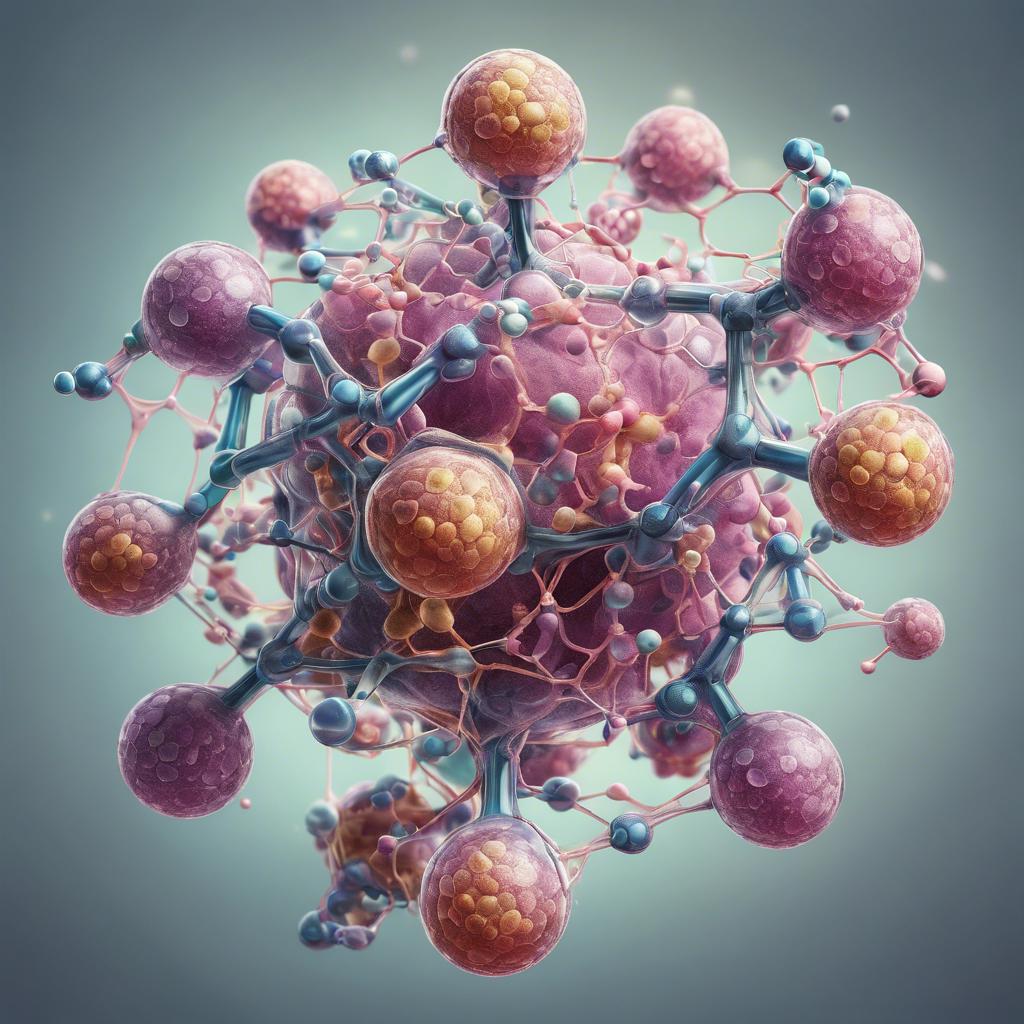
Hormone replacement therapy
Hormone replacement therapy is medication that contains female hormones. Medication to replace the oestrogen that our body stops making during menopause. Hormone therapy is most often used to treat common menopausal symptoms, including hot flashes and vaginal discomfort. Hormone therapy has also been proved to prevent bone loss and reduce fracture in postmenopausal women.
Oestrogen therapy
Oestrogen is taken alone. Doctors most often prescribe a low dose of oestrogen to be taken as a pill or patch every day. Oestrogen may also be prescribed as a cream, vaginal ring, gel or spray. You should take the lowest dose of oestrogen needed to relieve menopause symptoms and/or to prevent osteoporosis.
Oestrogen Progesterone/Progestin Hormone Therapy (EPT)
Also called combination therapy, this form of HT combines doses of oestrogen and progesterone (or progestin, a synthetic form of progesterone). In Combination EPT Pills and patches are used.
Hormone replacement therapy primarily focuses on replacing the oestrogen that your body no longer makes after menopause. There are two main types of estrogen therapy:
Systemic oestrogen — which comes in pill, skin patch, ring, gel, cream or spray form — typically contains a higher dose of oestrogen that is absorbed throughout the body. It can be used to treat any of the common symptoms of menopause.
Low-dose vaginal preparations of oestrogen — which come in cream, tablet or ring form — minimize the amount of oestrogen absorbed by the body. Because of this, low-dose vaginal preparations are usually only used to treat the vaginal and urinary symptoms of menopause.
Risks
In the largest clinical trial to date, hormone replacement therapy that consisted of an oestrogen progestin pill (Prempro) increased the risk of certain serious conditions, including:
Heart disease
Stroke
Blood clots
Breast cancer
Subsequent studies have suggested that these risks vary depending on:
Age
Women who begin hormone therapy at age 60 or older or more than 10 years from the onset of menopause are at greater risk of the above conditions.
Type of hormone therapy
The risks of hormone therapy vary depending on whether oestrogen is given alone or with progestin, and on the dose and type of estrogen.
Health history
Your family history and your personal medical history and risk of cancer, heart disease, stroke, blood clots, liver disease and osteoporosis are important factors in determining whether hormone replacement therapy is appropriate for you.
You may be able to manage menopausal hot flashes with healthy-lifestyle approaches such as keeping cool, limiting caffeinated beverages and alcohol, and practicing paced relaxed breathing or other relaxation techniques. There are also several nonhormone prescription medications that may help relieve hot flashes.
Benefits
Hormone therapy, specifically oestrogen therapy, has been studied for its potential benefits in cognitive regeneration after menopause. Here are some ways in which hormone therapy may have positive effects on cognitive function.
Memory and attention
Oestrogen has been shown to play a role in memory and attention processes. Hormone therapy, particularly when initiated early after menopause, may help improve memory and attention span in some women.
Brain structure and function
Oestrogen promotes the growth and survival of neurons, enhances synaptic connectivity, and improves cerebral blood flow.
Prevention of cognitive decline
Hormone therapy, especially when started closer to the onset of menopause, may help reduce the risk of cognitive decline and dementia later in life.
Have moderate to severe hot flashes. Systemic oestrogen therapy remains the most effective treatment for the relief of troublesome menopausal hot flashes and night sweats.
Oestrogen can ease vaginal symptoms of menopause, such as dryness, itching, burning and discomfort with intercourse. Systemic oestrogen helps protect against the bone-thinning disease called osteoporosis.
Oestrogen therapy can help decrease your risk of certain health conditions, including osteoporosis, heart disease, stroke, dementia and mood changes.
If you want to better understand the menopause
Vesta's Words
“Lisa Borcome” a neuroscientist PHD graduated from Harvard and that had brought up an interesting and controversial studies on the benefits of “HORMONE THERAPY” and its link to the cognitive degeneration that awaits many of us in the aging process.
Gravity and wrinkles are fine with me. They’re a small price to pay for the new wisdom inside my head and my heart.
When you’re young, there’s so much now that you can’t take it in. It’s pouring over you like awaterfall. When you’re older, it’s less intense, but you’re able to reach out and drink it. I love being older.
I see menopause as the start of the next fabulous phase of life as a woman. Now is a time to ‘tune in’ to our bodies and embrace this new chapter. If anything, I feel more myself and love my body more now, at 58 years old, than ever before.
All of a sudden I don’t mind saying to people, ‘You know what? Get out of my life. You’re not right for me.’ It’s wonderful and liberating.
If you deal with it in a healthy fashion then I think you come out the other side a better person. I’ve got so much more energy now than I ever had in my early 50s before the menopause.
The very best way that you can help yourself is to develop and sustain a positive attitude. The way you think and feel about everything will make all the difference to your experience.
Menopause. A pause while you reconsider men.
A study says owning a dog makes you 10 years younger. My first thought was to rescue two more, but I don’t want to go through menopause again.
Women are always being tested … but ultimately, each of us has to define who we are individually and then do the very best job we can to grow into it.
Confidence comes with age, and looking beautiful comes from the confidence someone has in themselves.
I think our bodies are beautiful, and I think celebrating them and being comfortable in them—no matter what age you are—is important. There shouldn’t be any kind of shame or discomfort around it.
I don’t think of getting older as looking better or worse; it’s just different. You change, and that’s okay.
For you, it’s a joke, but think about it for me, everything is going south. Menopause is one of themost significant things that happens to women. As someone who is in that phase, it is very frightening, because everything is basically out of your control.
The anticipation of a problem creates bigger problems than it really is. One has to adapt to alifestyle change to remain in the best of health. What works for one in their 30s or 40s cannot workin your 50s. You need to understand what you are getting into and make those small changes. One can have methi to regulate hormones. Zinc too. Start exercising, limit your alcohol intake if you drink and get into bed earlier.
I didn’t know what peri menopause was, I thought after a certain age we go through pre menopause up to 10 years before menopause? But did you know you could go through perimenopause up to 10 years before menopause ? It’s like the body is getting ready for menopause?
Menopause is considered as a “problem” rather than something normal every women experience.There’s a very important message behind it because what we’re saying here is that there are noexpiration dates for women.
I have a very healthy baseline, and also, well, I was experiencing hormone shifts because of infertility, having to take shots and all that,” Obama explained. “I experienced the night sweats, even in my 30s, and when you think of the other symptoms that come along, just hot flashes, I mean, I had a few before I started taking hormones.
Menopause is like autumn leaves falling; it’s a natural shedding of the old to make way for the new.
Gravity and wrinkles are fine with me. They’re a small price to pay for the new wisdom inside my head and my heart.
When you’re young, there’s so much now that you can’t take it in. It’s pouring over you like awaterfall. When you’re older, it’s less intense, but you’re able to reach out and drink it. I love being older.